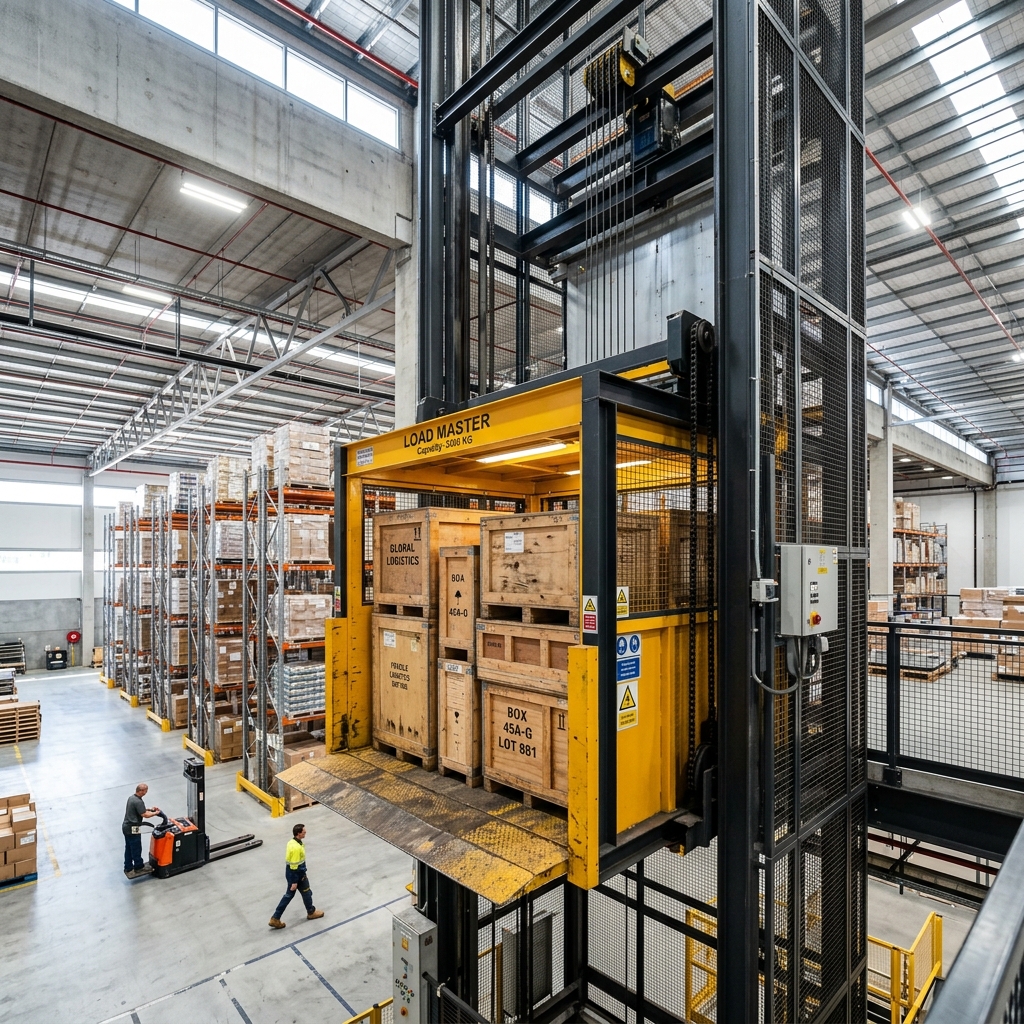
To guarantee optimal performance, longevity, and operator safety, B2B manufacturing plants must establish a strict preventative maintenance plan for scissor lift tables. Simple checks can prevent expensive factory production downtime.
Hydraulic fluid is the lifeblood of the lift table. Check oil levels monthly with the lift fully lowered. Clean, honey-colored oil indicates healthy systems. If the oil is milky or dark gray, it has water or metal debris contamination and must be replaced immediately. We recommend Grade 68 anti-wear hydraulic oil for high-duty applications.
High friction occurs at the main pivot pins during elevation cycles. Lubricate all grease fittings every 90 days with high-grade lithium grease to prevent metal grinding, pin wear, and alignment shift.
Wipe the hard-chrome cylinder rods clean of dust regularly. Run your fingers along the rod to check for oil wetness—this is a warning of worn hydraulic seals, which can lead to platform drift (slowly dropping under load).
Verify daily that the under-platform safety perimeter bar instantly cuts the descent drive if touched. This protects workers’ feet from crush hazards.
For movable scissor lifts, always check stabilizing jacks for thread wear and rust. Ensure the lift is 100% level before lifting capacity cargo.
Consult our service engineers today for priority quotes and CAD specification details.